May 19, 2026
Plumbing emergencies have a way of turning a peaceful afternoon into a frantic race against the clock. When a pipe bursts or a fixture fails, the sheer volume of water can feel overwhelming, but your response in those first few minutes determines whether you'll face a minor cleanup or a major renovation. Mastering the art of the "first response" is about moving from panic to precision. By following a clear, three-step protocol—Assessing, Shutting Off, and Containing—you take back control of your environment and shield your property from escalating costs. At our local plumbing company, First-Choice Plumbing, we know that a well-prepared homeowner is the first line of defense in protecting a house’s structural integrity and long-term value.
Step 1: Assess the Situation
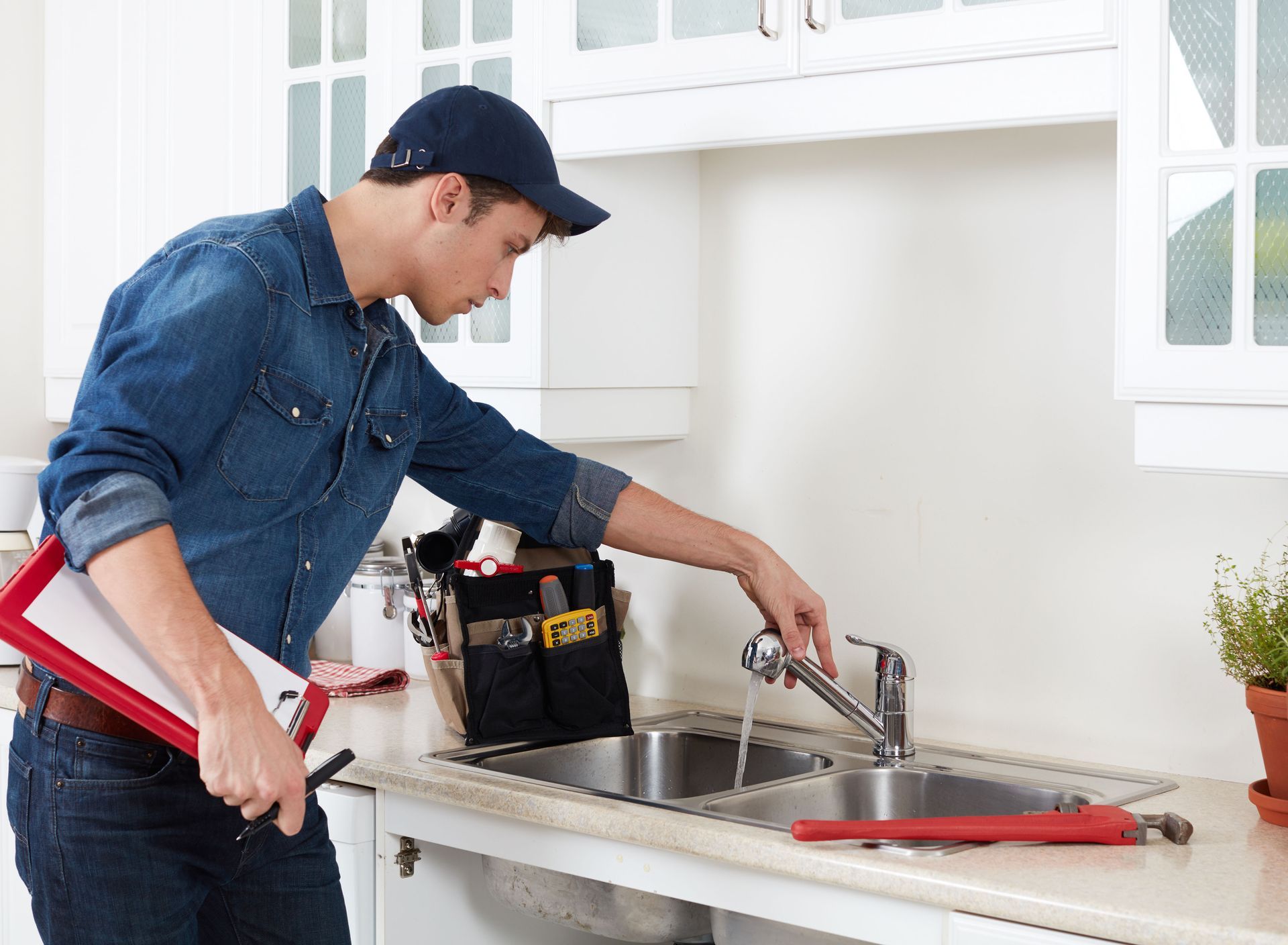
Locating the source of a plumbing problem is the first step toward resolving it. Start by checking common areas such as bathrooms, kitchens, and basements where water fixtures are present. Having an understanding of potential problem spots can help determine the severity of the issue. Utilize your senses—listen for running water, check for visible leaks, or notice any unusual smells. Accurate identification aids communication with the plumber and speeds up the repair process.
Once you've identified the problem, evaluate whether it's an emergency or something that can wait. Burst pipes or overflowing appliances require immediate attention, while slow leaks may be less urgent. Remember, even minor leaks can escalate if left unattended. According to the U.S. Environmental Protection Agency (EPA), residential water leaks waste nearly one trillion gallons of water across the U.S. annually as of 2026. A quick evaluation helps you decide on the urgency of professional intervention from a local plumbing company.
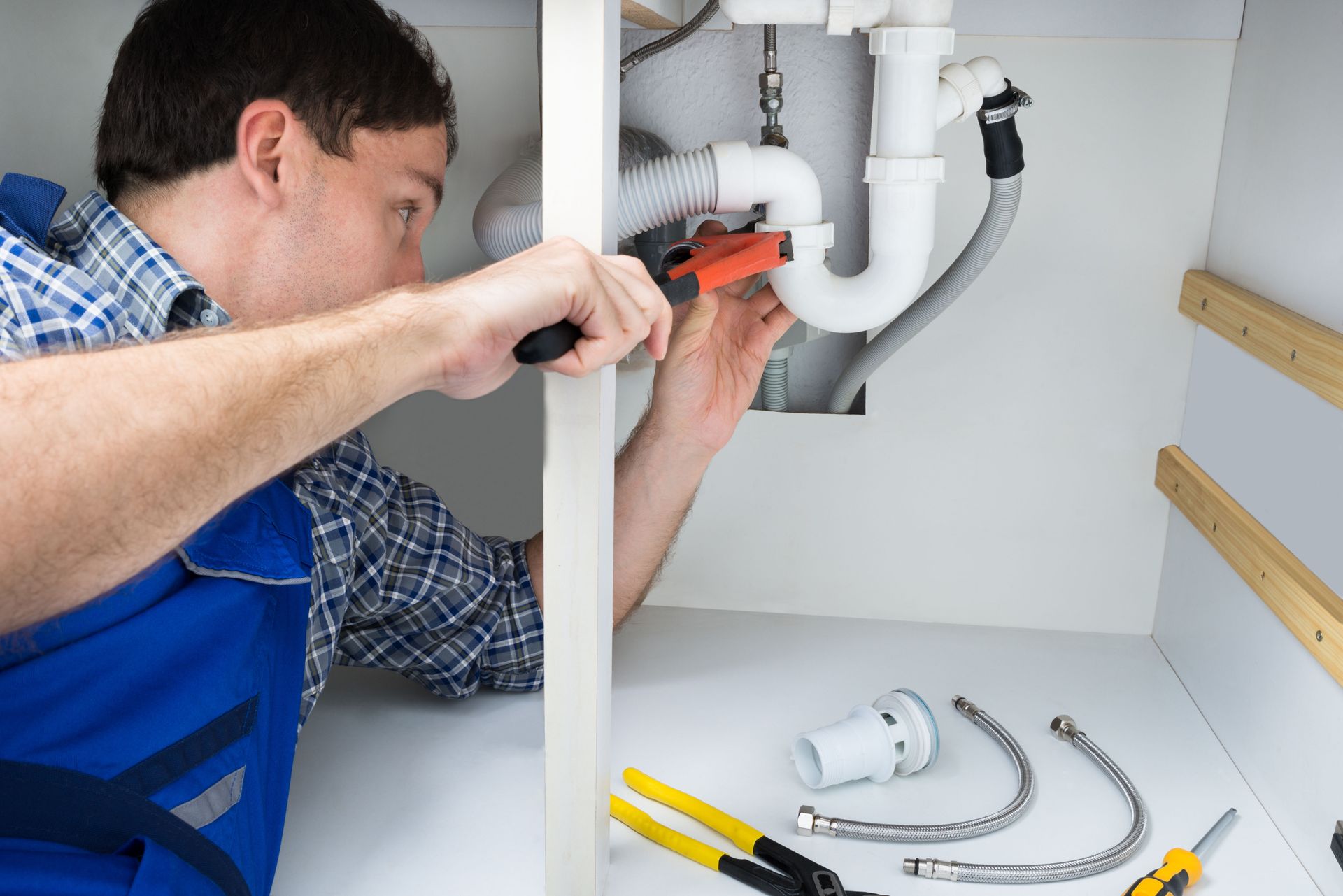
Examine all faucets, pipes, and drains for signs of leaks or blockages. Don’t forget to look under sinks and around water heaters where damage might be hidden. Blocked drains can exhibit slow draining or completely stagnant water flow. Early detection can save significant water damage and provide crucial information for the plumber. Identifying these signs helps prevent further water wastage and ensures a quicker resolution.
Taking notes or photos of the plumbing issue can be very beneficial. Documentation provides clear communication with the plumber regarding the nature and location of the problem. Photos taken from different angles can show the scale and impact of the issue. This not only aids in timely repairs but also helps if insurance claims become necessary. An accurate record minimizes misunderstandings and expedites service.
The safety of your home and its occupants should be a priority when dealing with plumbing issues. Ensure that the affected area is free from hazards such as electrical devices in wet spaces to avoid accidents. Prevent slips and falls by quickly cleaning up water on the floor. Safety precautions help protect people and your property from further damage. A focus on safety ensures that the repair process proceeds smoothly without additional complications.
Step 2: Shut Off Water Supply
One of the most critical steps in a plumbing emergency is shutting off the water supply - just ask any local plumbing company. Familiarizing yourself with the location of the main shutoff valve can save valuable time during a crisis. This valve generally stops the water flow into the entire home, preventing extensive damage. Locate it ahead of time to avoid scrambling in an emergency. Proactive knowledge of shutoff locations also assists in routine maintenance.
If the plumbing issue is isolated, consider shutting off water only to the affected fixture. This minimizes disruption to the household while preventing additional leakage. Valves for specific areas are typically found under sinks, behind toilets, or next to water heaters. Handling the problem at its source allows other areas of the house to remain functional. Strategic valve operation helps manage water conservation efforts effectively.
After shutting off the water supply, drain any remaining water from pipes by opening faucets at lower levels. This is an essential step to relieve any pressure in the plumbing system. Opening taps and letting the water run out reduces the risk of burst pipes. It's a simple yet effective measure that can avert further water damage that needs to be remedied by a local plumbing company. Proper drainage preparation enhances the feasibility of subsequent repairs.
Ensure everyone in your household knows the location of water shutoff valves and emergency procedures. Having this knowledge is vital for safety and can reduce panic during an emergency. Share this information regularly to ensure everyone can act quickly, regardless of who is home. This household readiness reduces confusion and prepares everyone for efficient problem management. Collective understanding fosters a cohesive response to plumbing emergencies.
Step 3: Contain the Damage
Place towels and buckets strategically around the site of the leak to capture dripping or standing water. Towels act as quick absorbers while buckets collect substantial water volume. This immediate action helps minimize potential floor damage and keeps pathways safer. Regularly check and change towels to ensure maximum absorption efficiency. The simplicity of collection tools like towels and buckets is vital in emergency management - seriously, any local plumbing company will tell you this.
Relocating electronics, furniture, and important documents to a dry, safe location is crucial. Protecting valuables prevents water damage and avoids the need for costly replacements. Identifying and prioritizing items that should be moved can be a swift process with a checklist. Acting quickly minimizes exposure and potential losses. Keeping valuables away from potential water sources is a prudent preparatory action.
Temporary fixes like plumber's tape, pipe clamps, or putty can manage leaks until the local plumbing company arrives. These solutions don't provide a permanent fix but offer reliability in emergencies. Plumber's tape can wrap around pipe threads to hold back small leaks, while putty fills gaps in seals or joints. Make sure to follow the application instructions for the best results. Temporary measures are indispensable tools for initial problem control.
Use plastic sheets or tarps to shield flooring and carpets from absorbing water. Quick preventive efforts can save considerable cleanup time and expenses. Spread sheets under and around sites of leaks to create a moisture barrier. Even a brief time without protection can lead to rot and mold development. Preemptive coverage solutions guard home investments during plumbing failures.
Opening windows and using fans helps aerate the space, minimizing mold and mildew growth. Ventilation is an effective method to dry out an area after a leak. Strategic fan placement enhances airflow, drawing out moisture and expediting the drying process. Extended exposure to dampness fosters bacterial and fungal growth—a key cause of respiratory issues. Adequate ventilation maintains a healthier indoor environment.
Ignoring the root cause of a plumbing event often leads to a cycle of recurring issues that can eventually compromise your home's foundation or lead to hazardous mold growth. Ensuring your home remains a safe, dry sanctuary requires a transition from emergency containment to professional restoration. Investing in a permanent, high-quality fix today is the most effective way to avoid the stress and massive financial burden of a total system failure tomorrow.
When the buckets are full and the pressure is on, call the local plumbing company that puts your home first. Contact First-Choice Plumbing today for expert diagnostics and high-quality repairs that stand the test of time. Whether it’s an emergency or a routine check-up, we are your first choice for total peace of mind.